
The Complete Guide to the BARF Diet
Table of Contents
What is the BARF Diet for Dogs and Cats?
The acronym BARF stands for Biologically Appropriate Raw Food. This nutritional model involves feeding dogs and cats by emulating what they would eat in the wild according to their natural instincts: raw, uncooked food primarily based on animal protein.
Who Invented the BARF Diet?
This concept was formalized and popularized in the 1990s by Australian veterinarian Ian Billinghurst, who argued that the anatomy and digestive tract of dogs (much shorter than that of omnivores) are specifically designed to process raw meat and bones.
What Are the Ideal BARF Meal Percentages?
To ensure the meal is balanced and mimics prey in the wild, the standard daily breakdown for a dog is typically structured in the following proportions:
60% Raw meaty bones: Provide the perfect balance of calcium and phosphorus (must always be fed raw, as pliable raw bone does not splinter).
20% Lean meat or fish: The primary source of high-biological-value protein.
10% Organs and offal: Liver, heart, or kidney—nature’s true multivitamins.
10% Pureed fruits and vegetables: Easily digestible vitamins, fiber, and antioxidants.
What Are the Benefits of the BARF Diet?
Oral health: Helps maintain healthy teeth and drastically reduces or eliminates tartar buildup, preventing chronic mouth inflammation (such as gingivitis).
Digestive and gut improvement: Stools become noticeably smaller, firmer, and less odorous because the animal absorbs nearly 100% of the nutrients. It also reduces the risk of gastric torsion (bloat).
Coat and skin appearance: Promotes a visibly healthier, shinier, and more vibrant coat while reducing the incidence of allergies and skin issues.
Immune system and vitality: Strengthens the pet’s natural defenses, restoring greater everyday energy, agility, and overall vitality.
Overall physical well-being: Supports optimal muscle development and keeps ligaments and tendons strong. Provides significant relief for arthritic conditions and naturally reduces susceptibility to internal parasites.
Enjoyment of food: Brings back the pleasure of eating. Watching an animal eat a BARF meal means seeing a truly happy, psychologically satisfied pet.
Veterinarians and the BARF Diet
While more traditional veterinary circles view this model with skepticism over concerns about household bacterial handling, a growing number of forward-thinking, well-informed veterinarians actively advocate for the transition to a natural diet. These professionals argue that ultra-processed commercial pet food—laden with meals, refined grains, and artificial additives—is the primary driver behind the current epidemic of chronic allergies, kidney issues, diabetes, obesity, and tumors in our pets.
The Challenge of Adopting the BARF Diet
While the benefits are incredible, making the switch to a biologically appropriate raw diet involves overcoming certain daily obstacles and challenges:
The challenge of nutritional balance: Unlike commercial kibble, homemade meals do not come pre-calculated. Balancing the correct percentages of muscle meat, raw meaty bones, organs, and vegetables can create a persistent worry about making mistakes or causing nutritional deficiencies—a fear often amplified by social pressure and pushback from peers.
The dreaded detox phase: Drastically changing a pet’s diet prompts the body to shed accumulated toxins. During this transition (which can last several weeks), temporary symptoms such as loose stools with mucus, vomiting, or itching are common and often alarm beginner pet owners.
Handling, aversion, and prep work: Storing and handling raw ingredients—particularly organ meats—can be messy or unpleasant. Additionally, many pets accustomed to the intense artificial aromas of processed kibble initially reject the subtle scent of raw food or selectively pick around vital ingredients like vegetables.
Initial physical risks: Improper portioning or selecting the wrong types of cuts can lead to digestive setbacks. Feeding too much bone can cause severe constipation, and offering inappropriately dense bones (such as beef marrow bones) carries a real risk of tooth fractures or intestinal blockages.
Fish and the BARF Diet: A Non-Negotiable Pillar
Within the Biologically Appropriate Raw Food (BARF) framework, fish provides an exceptional source of highly digestible protein and serves as a fundamental pillar for the optimal health of dogs and cats. It is counted as part of the “lean meat” portion of the diet, and including it 1 to 2 times per week is recommended to ensure proper nutritional balance.
Among the most recommended and commonly fed species are salmon, tuna, sardines, herring, sea bass, anchovies, blue whiting, hake, and cod.
Incorporating these marine-sourced ingredients delivers significant clinical benefits:
High nutritional value: Fish supplies high concentrations of premium-quality protein, essential minerals, vitamins A and D, and the full B-complex.
Rich in Omega-3 fatty acids and DHA: These nutrients are vital to overall health. Omega-3 directly supports coat health—enhancing shine and strength—while helping prevent immune system disorders and skin conditions. DHA notably reduces pruritus (itching) from allergies, lowers the incidence of ear infections (otitis), and supports cardiovascular wellness.
A hypoallergenic, highly digestible alternative: For pets that show sensitivities or allergies to conventional proteins (such as chicken or beef), transitioning to a more digestible protein like fish delivers outstanding nutritional support, particularly for skin and coat integrity.
Fresh Fish vs. Dehydrated Fish: Which Is Better?
Using raw fish also requires certain precautions during meal formulation to prevent nutritional imbalances:
Risk of vitamin and mineral deficiencies: Many raw fish species contain thiaminase, an enzyme that breaks down thiamine (vitamin B1). Additionally, fish contains trimethylamine, a compound that binds to iron and, over time, could lead to anemia.
Deficiencies from exclusive feeding: Feeding a pet primarily on deboned fish can cause deficiencies in calcium, sodium, iron, and copper. For this reason, fish treats and supplements should serve as an ideal addition to a balanced, varied diet—never the sole food source.
Microbiological safety and parasites: Raw fish must be frozen for at least 24 hours to reliably destroy parasites such as Anisakis.
Bonus Benefit: Crunchy Chewing to Ease Anxiety
The act of gnawing and crushing natural dehydrated textures satisfies an animal’s natural hunting instinct. Through this extended chewing process, the brain releases endorphins that drastically lower stress, fear, and boredom, serving as a natural relaxant that promotes mental and emotional balance.
Dehydrated Fish as Support for Common Pathologies
Beyond everyday nutrition, veterinary scientific literature highlights the protective role of fish in preventing and managing recurring health issues in dogs and cats:
An Ally Against Kidney Disease: By providing exceptionally digestible, low-residue proteins, it reduces the workload on the kidneys, helping filter toxins cleanly and naturally.
A Hypoallergenic Shield: Dehydrated anchovy or hake is ideal for elimination diets. It relieves chronic pruritus (itching), lowers the incidence of ear infections (otitis), and soothes sensitive skin irritated by intolerances to commercial chicken or beef.
Natural Joint Relief: Essential fatty acids actively reduce cartilage inflammation, easing pain in cases of canine and feline osteoarthritis and arthritis.
The Perfect Solution: Our Range of Fish Treats
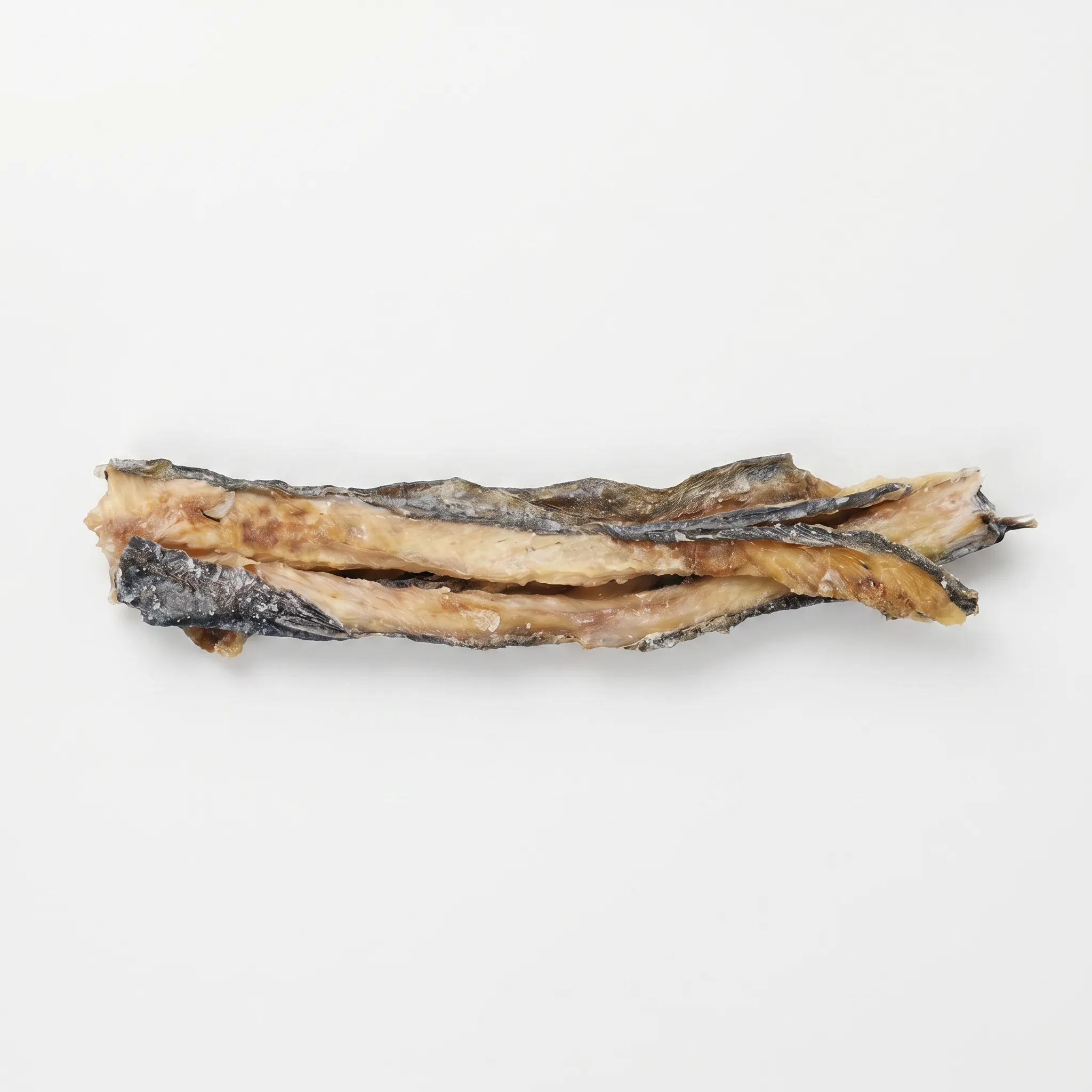
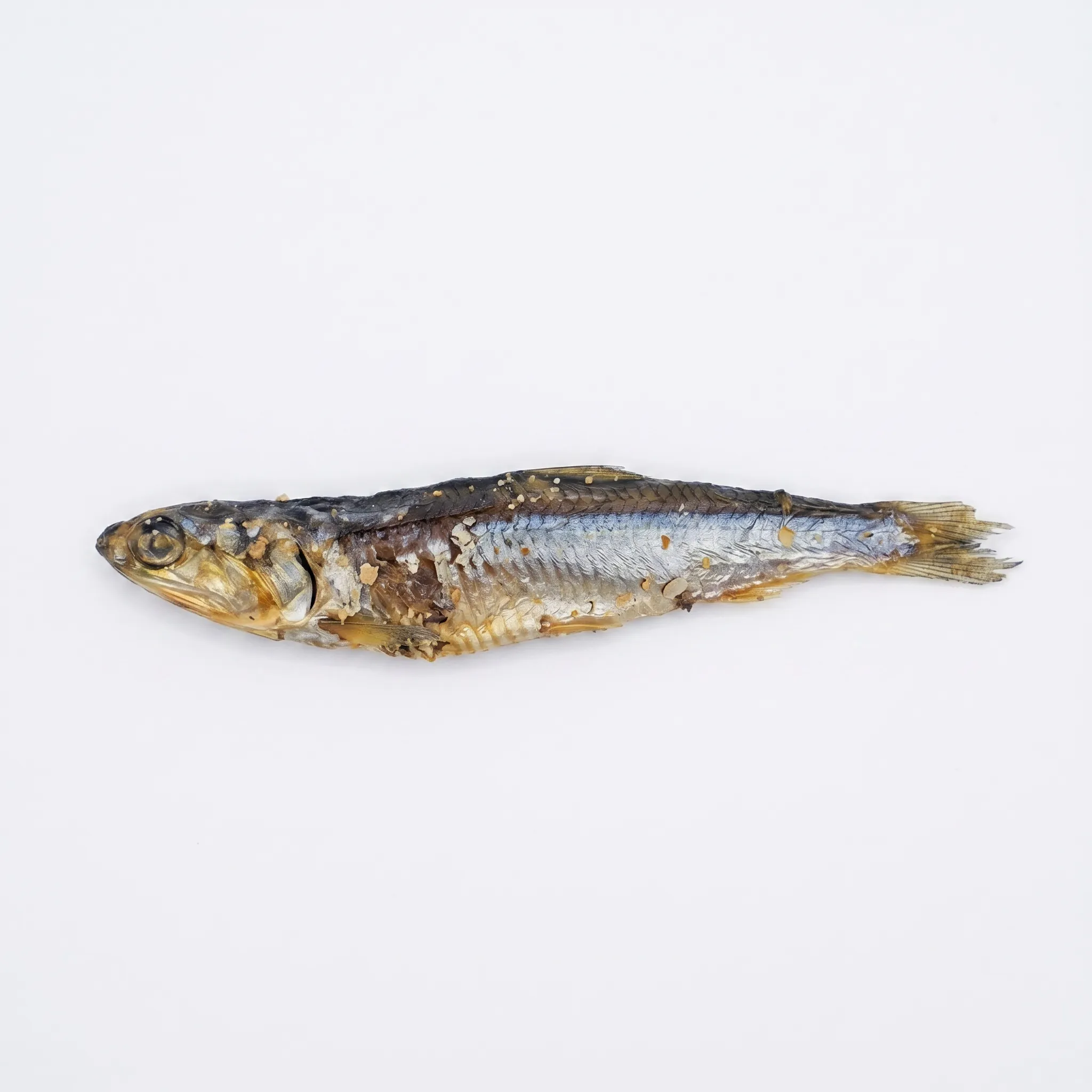
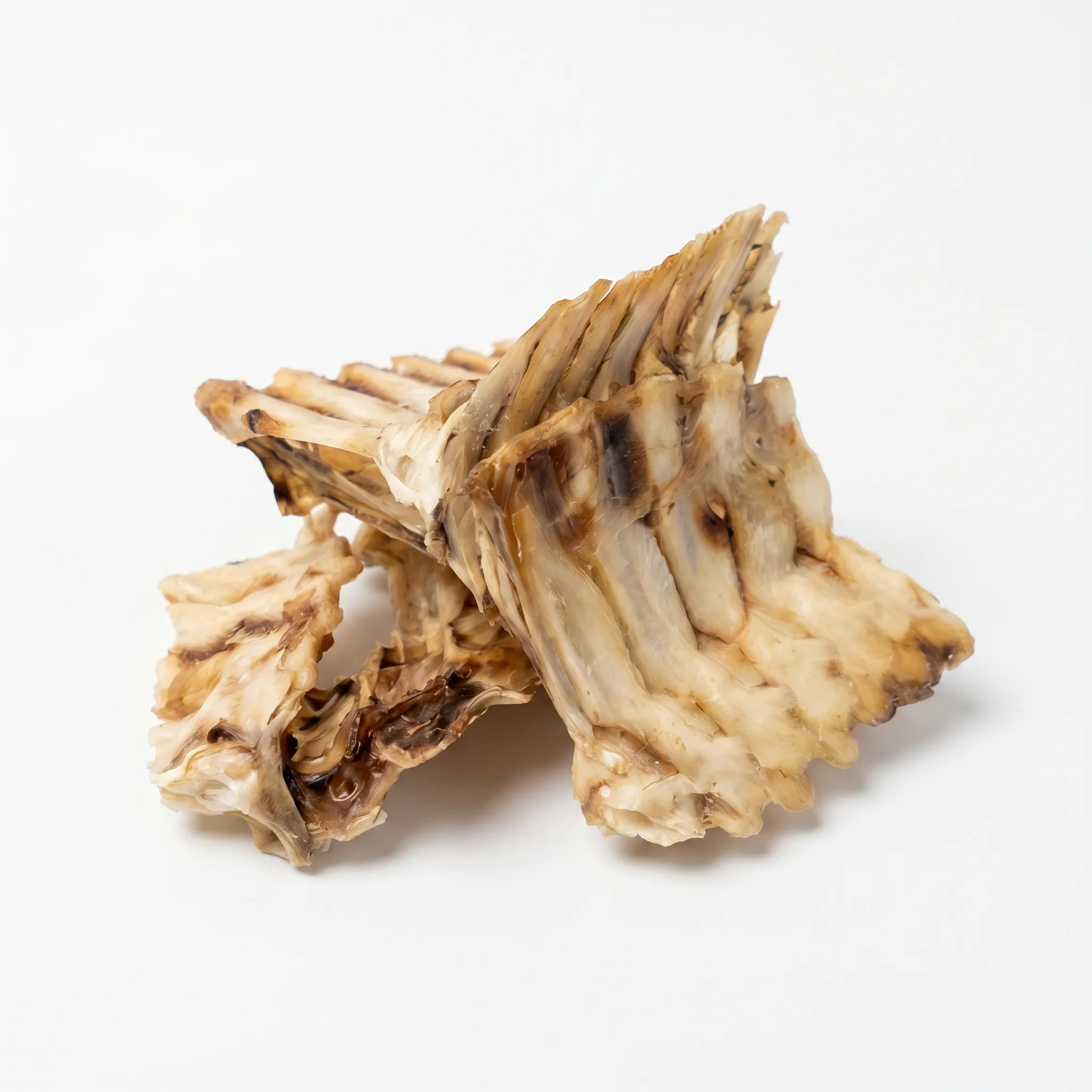
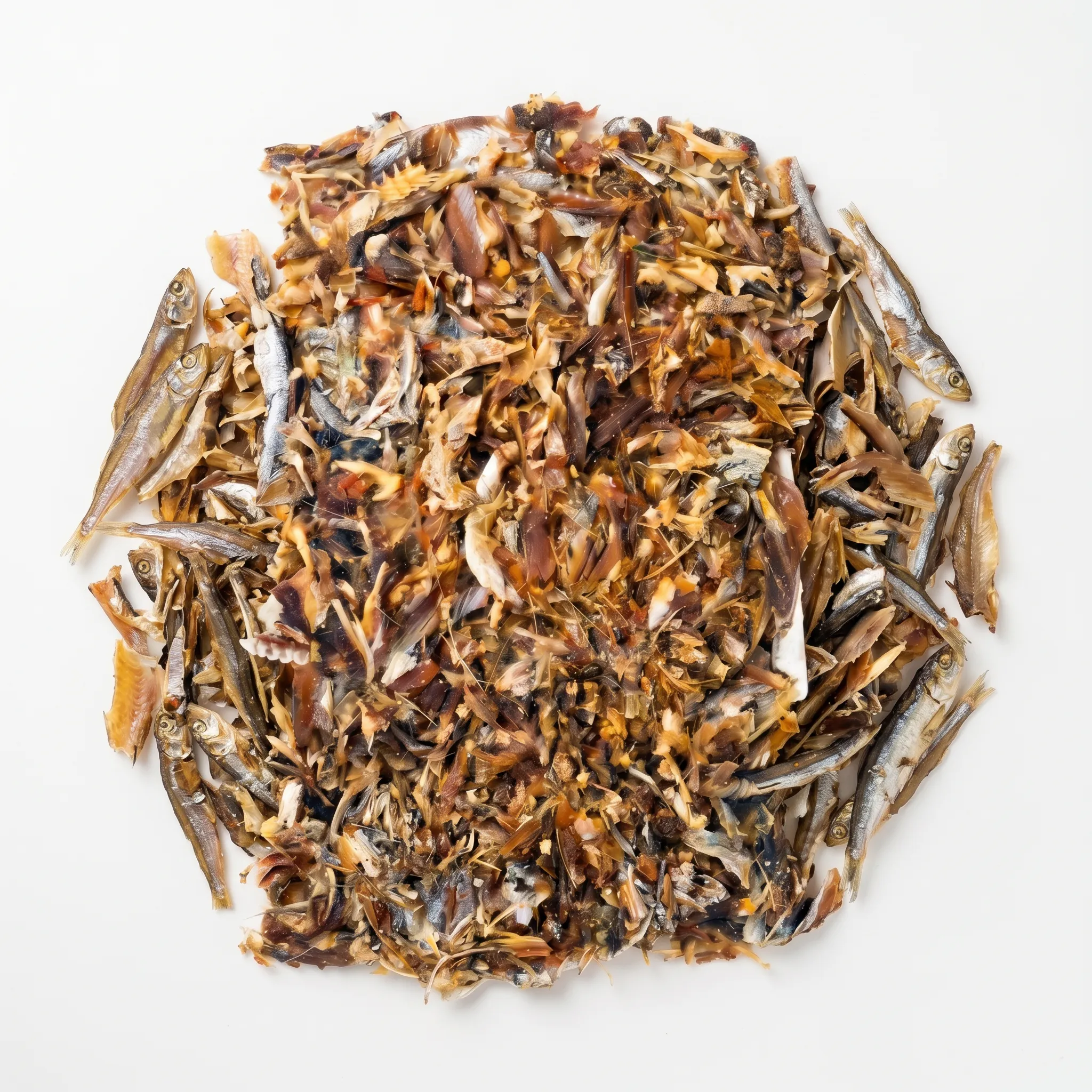
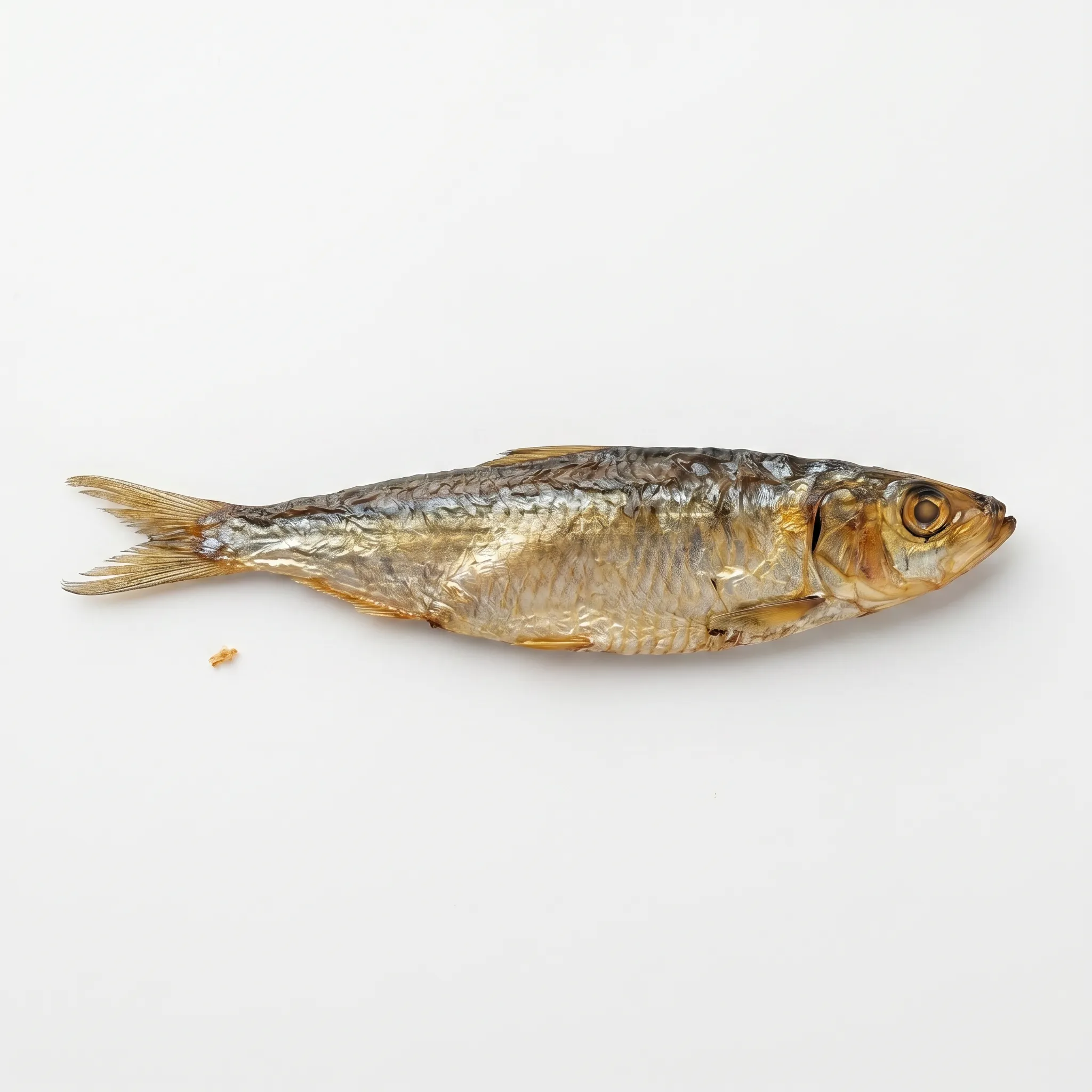
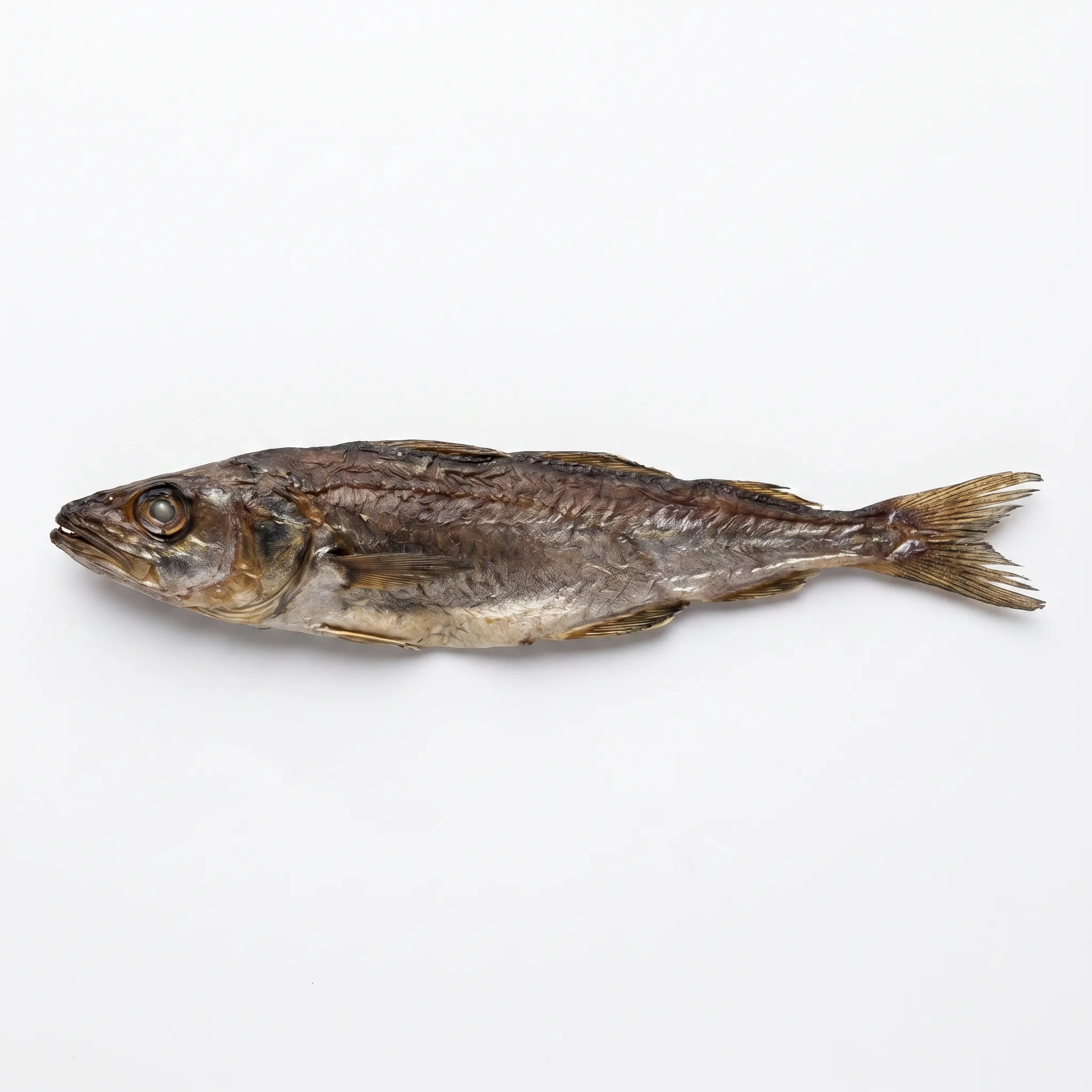
To eliminate these risks without missing out on the sea’s remarkable benefits, hot-air dehydrated fish is the perfect ally in the BARF diet. By gently removing moisture through a slow, low-temperature process, anti-nutritional compounds (such as thiaminase) are neutralized and full microbiological safety is guaranteed—all while keeping Omega-3 fatty acids, vitamins, and amino acids completely intact.
At Snacking Ocean, we craft 100% natural, single-protein functional treats and supplements with zero artificial additives or preservatives—ideal for supplementing BARF meals cleanly, conveniently, and safely:
Our Commitment: Absolute Freshness and Respect for the Ocean
Behind every bag of Snacking Ocean lies the backing and expertise of 35 years processing the finest fresh fish from the Cantabrian Sea, bringing our human-grade technological standards directly to pet well-being.
Absolute freshness in under 2 hours: We source our raw materials directly from local fish auctions. Less than two hours pass from the moment the fresh fish arrives at our facilities until it is placed on the dehydration racks, ensuring nutrients and healthy fats are locked in at peak quality without oxidizing.
International Food Safety Standards (IFS): Your peace of mind comes first. Our entire artisanal dehydration process adheres to the strict safety management guidelines certified by the human-grade IFS (International Featured Standards), reliably eliminating risks from parasites or bacteria.
Sustainability and Zero Waste (MSC): We love the ocean and believe firmly in the circular economy. Guided by the MSC sustainable fishing standard, we upcycle selected, high-biological-value discards and by-products to give them a meaningful second life. In doing so, we reduce environmental impact on our oceans while turning marine bounty into pure health for your pet.